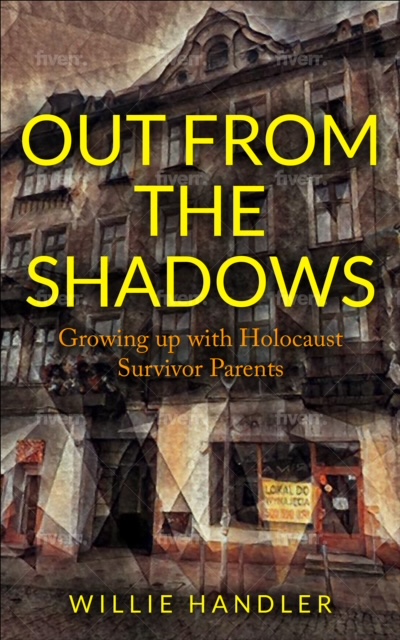
Growing up, the author and his family constantly lived under the shadow of the Holocaust. There was persistent tension at home. He was frequently told: “Finish your dinner. We didn’t have food like this in the camps.”
His parents only provided bits and pieces of their Holocaust experiences, since he “didn’t need to know.” A few years ago, Willie Handler decided that he did need to know. Thus began a journey into his family’s past, eventually revealing their extraordinary survival and painful losses. Their stories reflect not only the evil that swept Europe in the 1930s and 1940s, but also the resilience of the human spirit.
His parents appeared to have taken some shocking secrets to their graves, forcing the author to view them in a different light. With the acknowledgement of his own buried trauma, and following years of research, he has finally stepped out of the shadows.
This book is a must-read if you believe in the progress & evolution of humanity and society. Handler writes with such straight forward honesty, you feel as if you are sitting with him while he is unrolling the history he unveiled during his personal search. While shocking and difficult at times, his message clearly comes through at the end of each chapter. Handler’s feeling of growing up differently than other children is particularly unique for the voice of the book. His effort to reach out, questioning his upbringing, provides him with the ability to communicate universal truths to the reader. If you have ever questioned why you are different than others, this book will speak to you; personally. – Daniella Shepard
For years, I avoided Holocaust-related content as it was (is) so triggering, even for someone removed two generations from this collective trauma of the Jewish people. But when I started reading Out From the Shadows, I couldn’t stop.
This book is a personal memoir, but it’s so much more. It’s the history of pretty much every Jew who survived the Holocaust but never really left the camps behind. The amount of research that went into this book is astounding. It helped me connect many dots in my own family history and behavioral patterns I noticed. I can only imagine how hard this book was to plan, outline, and write.
The last part of the book ties the Holocaust with the recent war in Israel and the staggering wave of antisemitism that follows it. It’s a poignant ending that has us realize: no Jew is ever completely safe. Much as we’d like to believe otherwise, what happened once may happen again.
Overall verdict: a very worthwhile read for anyone interested in Jewish history, the Holocaust, and how one Jewish family made a new life for itself after losing everything. – Hannah Ross
 williehandler.com